
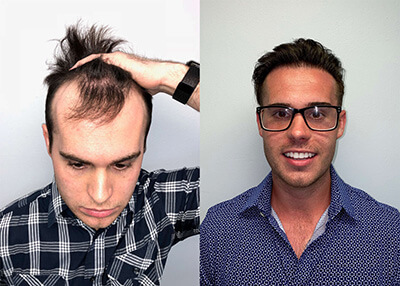
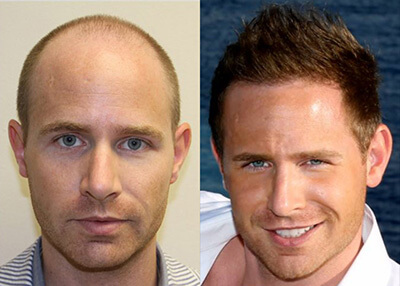
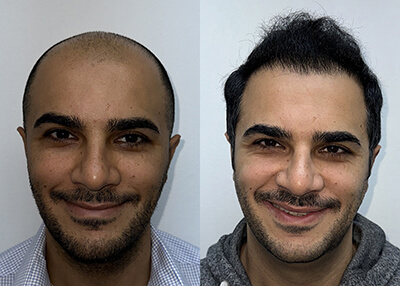
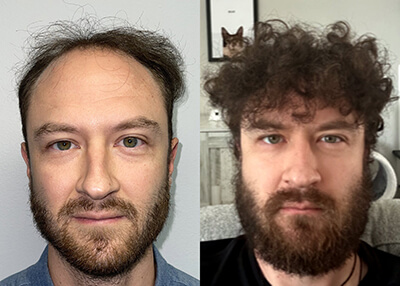
See how people just like you gained real results — not just temporary fixes.
Hair where it was thinning. Coverage where it was missing.
Confidence restored.
I had my hair transplant in October 2024 and at 8 months I am extremely happy with my results. My hairline looks so natural — it’s unbelievable. Dr. Bolton truly knows what he is doing.
Best in the business! My results are incredibly impressive 1 year post-operation. The staff treated me like family and explained everything in detail. I feel more confident and look younger — it’s the best decision I’ve ever made.
Experience was amazing. Dr. Bolton and his staff were professional, caring, and patient. The procedure went smoothly and didn’t hurt. I can’t wait to see the end result; I highly recommend Dr. Brett Bolton.
With over 29 years dedicated exclusively to hair restoration, Dr. Bolton isn’t just another surgeon — he’s a specialist in life-changing results.
Get Your Free Hair Transplant ConsultationNo obligation · Private & Confidential · Expert Guidance
more grafts and greater density in one session than most clinics.
patients across the U.S. and world trust his work.
avoid the “plugged” appearance of cheap transplants.
he fixes bad results other clinics leave behind.
walk away healed with confidence.
Most clinics focus on cheap or quick procedures.
Dr. Bolton focuses on maximum, natural growth — even in extreme hair loss cases.
Most hair moved in a single session: up to 16,000 hairs.
That means:
Here’s what you get:
It’s FREE — and can change everything.
Get Your Free Hair Transplant ConsultationNo obligation · Private & Confidential · Expert Guidance
Patients fly from across the U.S. and worldwide to see Dr. Bolton.
Featured on the nationally syndicated World’s Greatest Television Show, Dr. Brett Bolton has been recognized as the World’s Greatest Hair Transplant Surgeon. With over 29 years of experience, he delivers high-density, natural-looking results using his proprietary MaxHarvest™ technique, helping patients from around the world restore their hair and confidence.
See real patients, real stories, and real results. Click below to watch additional hair transplant videos, patient reviews, and documented transformations from Dr. Brett Bolton’s practice.
No obligation · Private & Confidential · Expert Guidance